How Botanical Gardens Exchange Seeds Across Borders
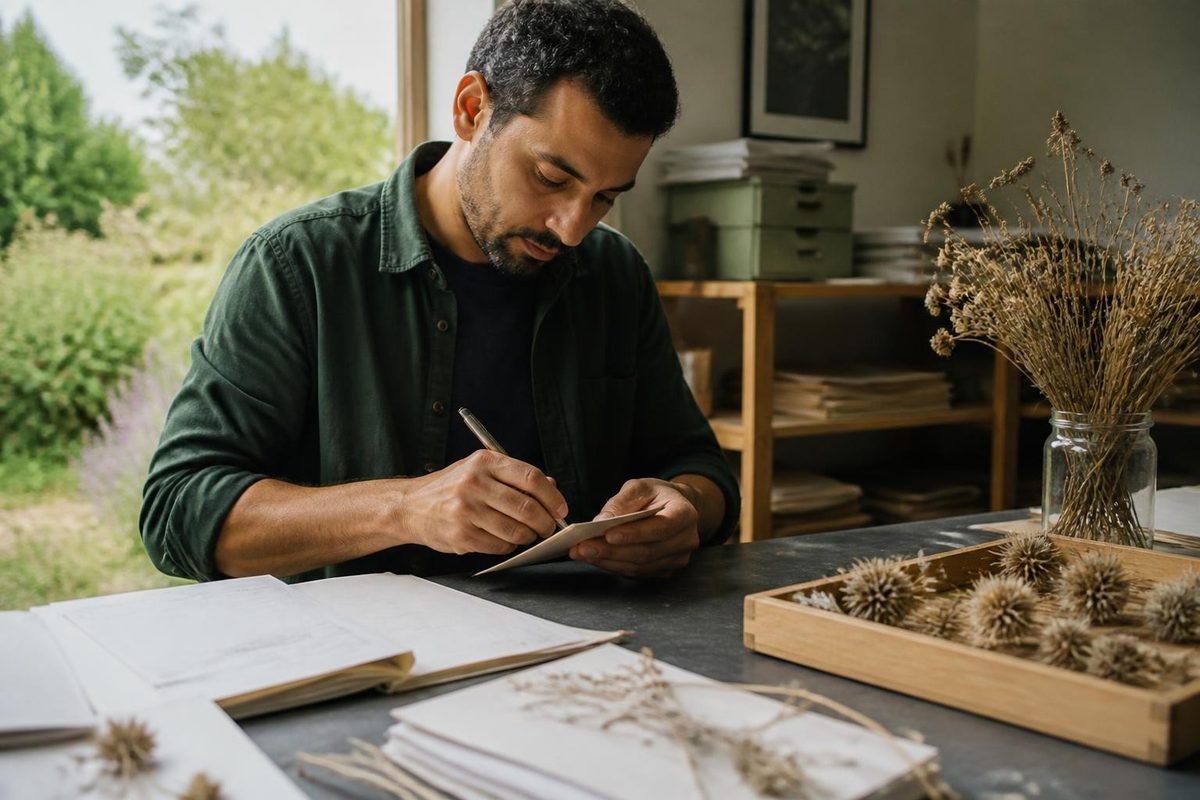
Botanical gardens exchange seeds across borders by offering documented material to other gardens and sending it after the required checks and permissions are in place. The process connects collections and research, but it also depends on plant health rules and agreements about how genetic resources may be used.
From garden to seed list
Many gardens share a seed list, sometimes called an Index Seminum, with other institutions. It may include seeds gathered from plants in the garden or, where permitted, collected from wild populations. A receiving garden can request material that fits its collection, research or conservation work.
The list is only a starting point. A garden may have a small quantity of a seed, or it may decide that a request does not match the conditions under which the material was collected. Sharing is not always possible, even when a species appears on a list.
Why the records matter
A seed packet is more useful when its history travels with it. Records help the receiving garden identify the plant and understand where the seed came from. They also help staff avoid confusing cultivated material with seed collected from a wild population.
A garden may record details such as:
- The scientific name of the plant
- Where and when the seed was collected
- Whether the parent plant grew in cultivation or in the wild
- Any known conditions on use or further sharing
Names and identifications can change as botanists learn more. Good records make it possible to revisit an identification rather than lose the connection between a living plant and its source.
Permissions before the packet travels
Seeds can carry pests or diseases, so the receiving country may require an import permit or a phytosanitary certificate. The certificate is issued by an authorized plant protection body after the relevant requirements have been met. Rules vary by country and plant, and some seeds cannot be imported at all.
Protected species may need additional documents under CITES, the international agreement that regulates trade in certain wild plants and animals. Gardens also need to consider laws governing access to genetic resources and the sharing of benefits from their use. These requirements depend on the countries and material involved.
What happens after arrival
Once seeds clear any required inspections, staff record them in the receiving garden's collection system. They may store some and sow others, depending on the garden's purpose and the nature of the seed. Not all species tolerate the same storage conditions, and not every seed will germinate.
The new plants may support display, education or research. For conservation work, knowing the source remains especially important: a plant grown from garden stock does not automatically represent a wild population. The careful notes made before shipping continue to matter long after a packet is opened.
Questions about seed exchange
Do gardens always exchange seeds directly?
No. Arrangements differ, and some seeds may be shared through research or conservation partnerships rather than a general seed list.
Can anyone request seeds from a garden?
It depends on the garden. Some lists are intended for botanical institutions, and requests may be limited by availability or collection conditions.
Can received seeds be passed on again?
Not necessarily. The receiving garden must follow the conditions attached to the material and any applicable laws before sharing it further.
More background: baptism flowers